Matt Thompson of Construction Corps on ADUs, New Homes, and Building in Tampa Bay Flood Zones
At a glance
- Company: Construction Corps, Inc., Clearwater
- Role: Owner and CEO
- Florida licenses: CGC1530192 (general contractor), FBPE39242 (engineering firm), EC13013956 (electrical), CFC1432954 (plumbing), MRSR5676 (mold remediator), MRSA5772 (mold assessor). All active.
- Certifications: SBA-certified Service-Disabled Veteran-Owned Small Business (SDVOSB) and Veteran-Owned Small Business (VOSB); NVBDC Service-Disabled Veteran-Owned Business
- Counties served: Pinellas, Hillsborough, Pasco
- Project types: design-build additions, ADUs, whole-home renovations, new homes, storm rebuilds, commercial renovations
- Website: constructioncorps.com
- Office: 2054 Weaver Park Drive, Clearwater, FL 33765, (727) 999-1855

Matt Thompson is a U.S. Army combat veteran and the owner of Construction Corps, a design-build general contractor based in Clearwater. He started the company in 2022 after more than three decades in construction, including a California general contractor license held since 2007. We asked him about ADUs, new homes, permits, flood rules, and what homeowners should check before they hire anyone.
First things first. How do you say "Corps"?
"Core." Same as the Marine Corps. People say it wrong all the time and that's fine, but it's core. The name comes from the military. I served in the Army as an infantryman, and a lot of how we run the company comes from that: a plan, clear roles, and everyone knowing the mission.
Tell us about Construction Corps.
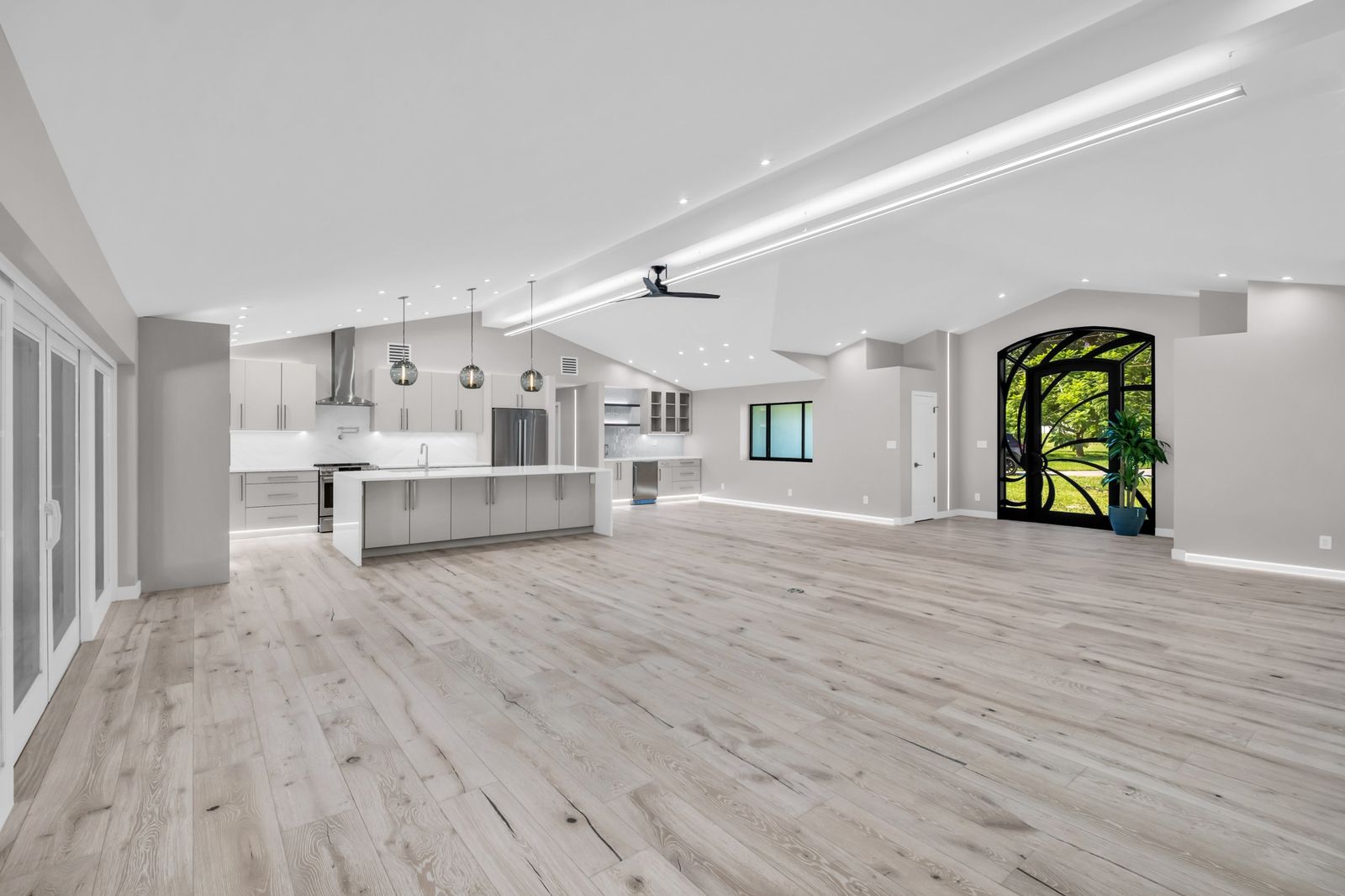
We're a design-build general contractor. That means one contract and one company accountable for the whole project, from design and engineering through permits and construction. Design, engineering, permitting, and project management are all in-house. The field work is done by our W-2 crews and vetted trade partners. Most of what we do is larger work: additions, ADUs, whole-home renovations, new homes, storm rebuilds, and commercial renovations.
How did you get into construction?
I've been in construction for more than 35 years. My first general contractor license was in California, in 2007, and I worked there for years before we started Construction Corps here in Florida in 2022. Our Florida general contractor license came that same year.
Why does one company hold six licenses?
Because a lot of project problems happen at the handoffs. When the engineer, the electrician, and the plumber all work for different companies, things can get lost between them. We hold Florida licenses as a general contractor, an engineering firm, an electrical contractor, a plumbing contractor, a mold remediator, and a mold assessor. One note on mold, since people ask: the assessor and the remediator can't be the same party on a job. So when we do remediation, an independent third-party assessor handles the testing and clearance.
What's the most common permit mistake you see homeowners make?
Starting without a real plan. People get a price before there are drawings, then the plans come back and the number doesn't match. Or they find out halfway through that there's a setback issue or the house is in a flood zone. We do design and plans first, so the project gets built around a realistic budget from the start.
The other one is old unpermitted work. We run into it a lot, and it can hold up a permit for a new project until it's dealt with. If you know there's unpermitted work on your property, bring it up early.
How do you approach a project in a flood zone?
The first question is the FEMA 50% rule. If the cost of the work reaches the threshold compared to the value of the building, the whole house may have to be brought up to current flood standards. That can change the entire project. Some communities here count improvements over several years, and some use a lower percentage. So we check the jurisdiction's rules and the building value before design goes too far. It's a lot cheaper to find out early.
You use private providers. Why?
We use private providers for plan review and inspections on most of our jobs. Florida law lets the owner or the contractor hire a licensed private provider for those steps instead of the building department's staff. For us it's about lining reviews and inspections up with the job schedule. The building department still issues the permit.
A lot of people are asking about ADUs. What do they get wrong?
State law. Florida doesn't require cities to allow ADUs. A bill that would have done that died in 2026. So it comes down to your city or county's zoning: whether ADUs are allowed, how big they can be, whether the owner has to live on the property, and whether you can rent it. We check that first, before anyone spends money on plans.
What kinds of ADUs do you build?
Three main types. Garage conversions, where we turn an existing garage into a full living unit. Attached ADUs, built onto the house. And detached ADUs, a separate small home in the backyard. A garage conversion is usually the lowest-cost way in, and a detached unit gives the most privacy. Which one works depends on the lot, the zoning, and what the owner wants it for, whether that's family, a parent moving in, or rental income.
What should a homeowner check before planning an ADU?
Start with zoning and setbacks, because those decide whether it fits at all. Then utilities: water, sewer or septic, and electrical service. Adding a unit can mean upgrading the panel or the service. Check the flood zone too. If the ADU is attached and the house is in a flood zone, we look at how it affects the FEMA 50% math on the main house. And ask about fees early, since some jurisdictions charge impact or connection fees on a new unit. Our online estimator gives a ballpark range to start from.
Can you rent out an ADU?
Sometimes. Some local ordinances limit who can live in an ADU or require the owner to live on the property. If you're thinking short-term rental, the vacation rental rules apply on top of that. Check both before you design it as a rental.
You're building new homes now. Tell us about that.
New homes and ADUs are a growing part of what we do. We have two ground-up homes under construction in Florida right now. The process is the same as a remodel, just bigger: lot review first, then design and engineering, then permits, then construction, all under one contract.
What should someone check before buying a lot to build on?
Zoning and setbacks, the flood zone and the elevation the house will have to sit at, utilities, and any deed restrictions or HOA rules. Get a survey. If it's on the water, there can be extra coastal construction rules too. We like to look at a lot before someone closes on it, because the lot drives the design and the budget more than people expect.
When does it make sense to tear down and rebuild instead of remodeling?
It usually comes down to the FEMA 50% rule and the condition of the house. In a flood zone, if a remodel would cross the threshold, the whole house has to meet current flood standards anyway, which often means elevating it. At that point some owners find a new, elevated home is the better investment. We run the numbers both ways before anyone decides.
What should a homeowner check before hiring a contractor?
Look up the license yourself on MyFloridaLicense.com and make sure the license type fits the job. Ask for proof of insurance. Make sure the contractor pulls the permit under their own license. If someone asks you to pull an owner-builder permit for work they're doing, that's a red flag. Get a written contract with a clear scope. And if the job is over $5,000, expect a Notice of Commencement. Talk to your lender or an attorney about it if you're financing.
You've taken over projects from other contractors. How do you start?
We've stepped in for several clients after things went wrong with a previous contractor. The first step is always the same: figure out what's actually there, what's permitted, and what the inspections show. Then we plan from there.
You hire veterans. Why?
We've got several veterans on the team, and we keep hiring them. People who've served know how to show up, follow a plan, and work as a team. We're also an SBA-certified service-disabled veteran-owned small business.
What code change are you watching right now?
The 9th Edition of the Florida Building Code takes effect December 31, 2026. Projects near that date need attention, because which edition applies depends on each building department's rules. We confirm that with the department early so the plans match.
Where can people learn more?
At constructioncorps.com, or by calling our office at (727) 999-1855. Our team takes it from there.
Recognition
Construction Corps won Platinum in several categories in CommunityVotes Clearwater 2026, including General Contractors, and was named a finalist for GrowFL's 16th Annual Florida Companies to Watch.
Editor's notes
- FEMA 50% rule: see The FEMA 50% Rule. Local thresholds and lookback periods vary; confirm with your floodplain administrator.
- Private providers: FS 553.791. See Florida Permit Basics.
- ADUs: SB 48 (2026) died in House messages on March 13, 2026. Local ADU rules, fees, and rental limits vary by city. See Florida ADU Rules and Florida Short-Term Rental Rules.
- Owner-builder permits and Notice of Commencement: FS 489.103(7) and FS 713.135. See Florida Permit Basics.
- Florida Building Code 9th Edition effective December 31, 2026. See Florida Building Code Basics.
- Mold assessor and remediator separation: FS 468.8419(1)(d) and (2)(d) bar a mold assessor from remediating, and a remediator from assessing, a structure where their company did the other within the last 12 months. (FS 468.8419, checked October 10, 2026)
Featured Contractor Affiliated with this site
Construction Corps, design-build general contractor serving Pinellas, Hillsborough, and Pasco counties.
Visit Construction Corps at constructioncorps.comInterview published October 2026. Last reviewed October 10, 2026. Views are the interviewee's own.